Getting your DAFT business online
It is important for a DAFT visa to get your business online, and using a CMS is an inexpensive and professional way to get discovered.

DAFT visa requires an active business with real commercial activity. Which requires getting discovered by customers. Our family moved from California in march, and even as an experienced entrepreneur and software developer, the work to get my business online was a considerable effort, especially as I am trying to keep costs down until I have active revenue.
A basic business website is a requirement for establishing legitimacy, but there are a few other critical features that you should look for, as your website will be the main hub for marketing, customer outreach, support, and very likely sales.
- Discovery: Search engine optimization is a profession itself, but basically you want people who are searching Google or now AI to be recommended to your business. The easiest / inexpensive route to do this is to create useful content regularly (in the form of a blog or newsletter) that others will link and share, and can be discovered by indexers for search engines and AI.
- Analytics: Once you have some posts, you'll want to share them yourself, or to run ad campaigns on Facebook and elsewhere, where it is important to know how well each worked, you'll want unique visitors, the countries they are visiting from, as well as where they were referred from to track the success of the various channels.
- Rich Content: The ability to have video, photos, and nicely formatted content will help make your business seem trustworthy and established even when you are just getting started.
Use a Content Management System
A CMS is the common way to get all these features in one place, it's online management platform that allows you to create posts and pages, send out newsletters, track analytics, connect with your subscribers, and even monetize subscriptions. Modern CMS include self hosted options like Ghost, Wordpress which are customizable and branded (good), and fully hosted options like Medium, and Substack – Which offer some discoverability but are harder to brand and make look like a full professional business. All offer some level of analytics, engagement and community management, though the free options are quite limited. This blog you are reading right now, and my software services at Kaperkunde (my DAFT business) is hosted on Ghost CMS, and the content etc helps drive natural traffic to my website and services. Regularly posting about relevant and timely topics will help keep traffic coming in and legitimize your business. Posting is as easy as typing into a word processor, and Ghost gives you the ability to customize sharing on Google, X, Facebook, to maximize search engine and AI ranking. As well as subscriptions which help you identify potential customers and get a network of people interested in the content that you have to help jump start ranking on posts.
Self-Host?
If you are savvy, it can be cheaper to self host your website and I've done a deep dive on some of the technology stacks and options here, but you will still need to pay for a VPS (virtual cloud server), your DNS, mailing service, and handle security updates, back ups, and support on your own. Additionally, like almost all self hosted open source software, there normally isn't a smooth way to handle updates, and the initial process can be more complex than it seems. The companies that build the good software make their money on the hosted version of the software, and as such aren't incentivized to make self hosting super easy. I've done a more in depth analysis of the technical stack for CMS here if you are interested.
 BadPirate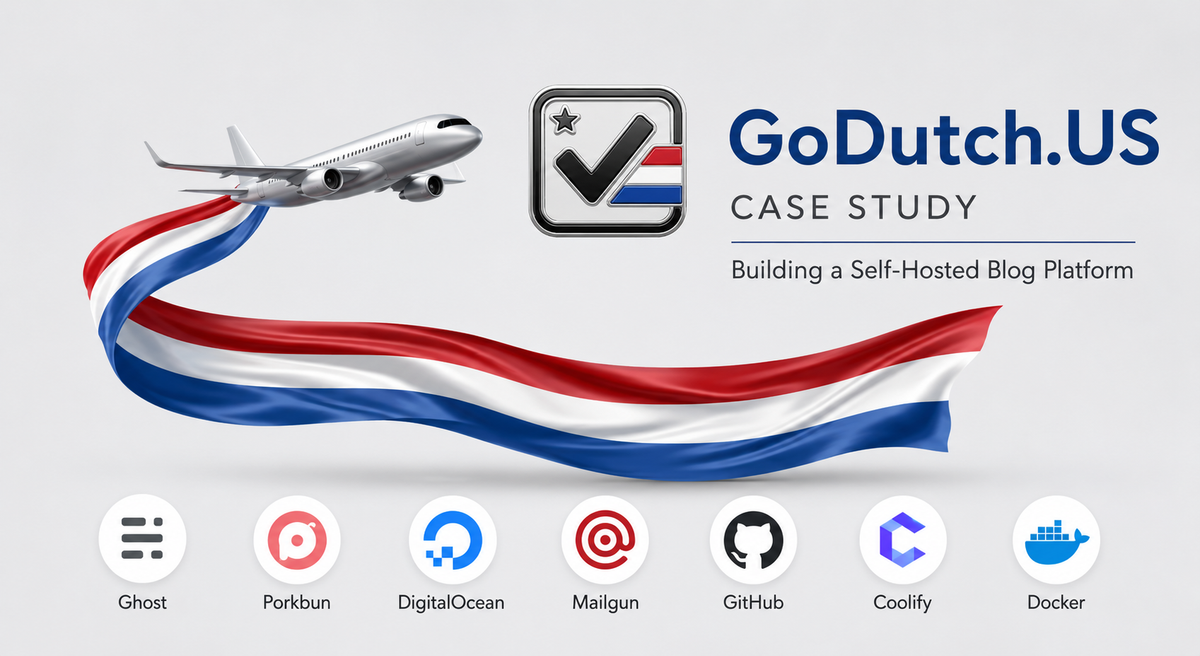
Summary is that self hosting will take most of a day to setup (more if you aren't familiar with developer apis, software deployment, etc) - and Will end up costing between €80-100 per year.
Established Hosting
It is worth considering where you want to spend your time as you get your business setup, and so many businesses go with a hosted (SaaS, or Software as a service) subscription option. These ended up being too expensive for me, while there are bargain services like digitalpress and magicpages – The basic packages that included custom theming (branding) that I wanted to have for my business, as well as the basics analytics and web traffic reporting, were all well over the cost of self hosting, and some options had quite a lot of missing features unless you paid 5-10x the cost of self hosting. So after getting my sites setup, I thought that there was an opportunity for me here. So I built my own hosting platform for ghost blogs (like this one!) to allow for those moving to EU or starting their own business to quickly and cheaply bring up their own websites.


I built Plek.je after encountering these same problems while launching my own Dutch business. It is designed to give new entrepreneurs an affordable, professionally managed home online, with direct support from an experienced software engineer based in the Netherlands. See the feature list and price comparison here: